

Introduction to Wisdom Tooth Surgery
The wisdom tooth or third molar is the last large molar that usually erupts at the end of the mouth between the ages of 17 to 25.
In many people, these teeth grow in an impacted or semi‑impacted form. That means they either remain completely under the gum and bone, or part of them comes out and another part does not
This situation can lead to problems such as pain, infection, damage to other teeth and even formation of a cyst. In such conditions, wisdom tooth surgery is necessary.
“Main reasons for wisdom tooth surgery”
1.Impaction and semi‑impaction (Impaction)
Many wisdom teeth do not erupt completely due to lack of space in the jaw arch.
Complete impaction: The tooth remains under the bone or gum which can cause pressure to the roots of adjacent teeth and their resorption.
Semi‑impaction: Part of the tooth crown comes out. This situation is the worst possible condition, because a way of penetration for bacteria is created
while cleaning that area with a toothbrush is practically impossible.
2.Gum infection or Pericoronitis (Pericoronitis)
When the wisdom tooth is semi‑impacted, pieces of bacteria and food particles get trapped under the gum tissue that covers the tooth (Operculum). This
issue leads to severe infection, bad breath, gum swelling and in more advanced cases, limitation in opening the mouth (Trismus). Wisdom tooth
surgery is the only definite way to remove this infectious focus.
3.Damage to adjacent teeth (second molar)
The wisdom tooth often grows with a wrong angle and directly puts pressure on the second molar (tooth number 7). This continuous pressure can lead to the following:
Decay of the adjacent tooth due to food impaction between two teeth.
Resorption of the root of tooth number 7.
Crowding of the front teeth due to cumulative pressure to the whole row of teeth.
4.Formation of cysts and jaw tumors
Around a wisdom tooth that has remained under the gum, there is a sac. If this sac becomes filled with fluid, it turns into a cyst. Cysts can
hollow the jaw bone and cause permanent damage to the sensory nerves of the face. In rare cases, these cysts may turn into benign
but aggressive tumors that their treatment is much more difficult than a simple wisdom tooth surgery.
5.Prevention of extensive decays
Due to the position at the end of the mouth, access of toothbrush and dental floss to the wisdom tooth is very difficult. Even if the wisdom tooth has erupted straight
it becomes decayed quickly. Doctors often recommend removing the wisdom tooth before this decay spreads to healthy adjacent teeth or
causes severe night pains.
6.Necessity of orthodontic treatments
Orthodontic specialists usually give order for wisdom tooth surgery before or after starting treatment. The reason of this is preventing displacement of teeth
after alignment. The wisdom tooth can with its pressure destroy all the results of years of efforts and costs of orthodontic treatment.
Very important note “The best age for wisdom tooth surgery is between 18 to 25 years old. In this age the roots are not completely formed yet and
bone density is lower, therefore the surgery will be much easier and the recovery period will be much shorter.”
Recognition of types of wisdom teeth and their eruption status
Wisdom teeth are divided into four main categories based on the angle of their position and the degree of penetration in the gum or bone. Accurate diagnosis of its type is the first step for a successful surgery with Dr. Hesam Nazari:
1.Erupted wisdom tooth (Visible)
These teeth have completely come out of the gum and are placed in the row of other teeth. Although this is the most ideal condition, due to the limited space at the end of the jaw, usually cleaning them is difficult and they quickly become decayed.
2.Wisdom tooth impacted in soft tissue (Soft Tissue Impaction)
In this condition, the crown of the tooth has passed through the bone but is still hidden under the gum tissue. This situation usually causes accumulation of bacteria and recurrent gum infections (Pericoronitis), because food gets trapped under the edge of the gum.
3.Wisdom tooth impacted in bone (Hard Tissue Impaction)
The tooth is completely trapped inside the jaw bone. This type of impaction has the most sensitive surgical condition and requires high expertise of the doctor so that the tooth is removed without damage to the jaw bone and adjacent nerves.
4.Semi‑impacted wisdom tooth (Partial Impaction)
Part of the tooth has come out of the gum and the other part still remains under it. These teeth are the most dangerous type for adjacent teeth, because they severely cause decay of the healthy neighboring molar tooth.
Vital care during the first 24 hours (after wisdom tooth surgery)
The first 24 hours after surgery are the most critical time for blood clot formation and the beginning of the healing process. Please follow these tips carefully:
1.Bleeding and blood clot management
Continuous pressure: Keep the sterile gauze placed on the surgical site for at least 45 to 60 minutes by applying gentle jaw pressure.
Do not spit!: The most important point is that under no circumstances should you spit your saliva. Creating suction in the mouth will dislodge the blood clot and lead to renewed bleeding and severe pain (dry socket). If there is blood‑tinged saliva, swallow it.
No straws: Strictly avoid drinking liquids with a straw (due to suction creation).
2.Swelling and bruising control
Cold compress: During the first 24 hours, use an ice bag (wrapped in a cloth) on your face. Correct method: 20 minutes on the face / 20 minutes rest. This prevents excessive swelling in the following days.
3.Proper diet
Cold and soft foods: On the first day consume only cold liquids and very soft foods (such as ice cream, cold pudding, yogurt, or completely cooled soup).
No chewing: Eat with the opposite side of the mouth that was not operated on.
4.Rest and physical activity
Sleep angle: When resting, keep your head slightly elevated above your body (using two pillows). This reduces blood pressure in the head area and decreases bleeding.
Complete rest: Avoid heavy physical activities, exercise, and lifting heavy objects for at least 24 hours.
5.Hygiene and medications
Do not brush: During the first 24 hours do not brush the surgical area and do not use mouthwash.
Prescribed medications: Take the painkillers and antibiotics prescribed by Dr. Hesam Nazari exactly according to the schedule. Do not wait for pain to start; take the first dose of painkiller before the anesthesia wears off.
Wisdom Tooth Surgery Case Samples at Dr. Hesam Nazari’s Clinic
Your Frequently Asked Questions | Professional Answer & Solution | Why This Action Is Important |
When should we take action? | Ages 17 to 25 | Prevents bone hardening and makes surgery easier |
Does the surgery hurt? | Use of deep anesthesia | Complete elimination of pain during the procedure |
How long does the surgery take? | Between 20 to 60 minutes | Depends on the angle and the level of tooth impaction |
What should we eat? | Liquids and cold, soft foods | Prevents damage to the surgical site and reduces swelling |
What is the red line after surgery? | Smoking and using straws | Prevents bleeding and the painful complication “dry socket” |
How can we reduce swelling? | Cold compress (every 20 minutes) | Constriction of blood vessels and prevention of severe facial inflammation |
When are the stitches removed? | One week to 10 days later | Ensures complete closure of the gum tissue |
When should we contact the clinic? | Fever, chills, or persistent bleeding | Prevents infection and helps manage emergency conditions |
Table of Possible Questions and a Better Choice
This table provides you with the key points of wisdom tooth surgery in a concise and practical way so that you can go through your recovery period with full awareness and without ambiguity. This guide clarifies your path from preparation before the surgery to the vital care after it.
“Wisdom tooth surgery; the end of pressure and inflammation, with a calm and specialized approach that guarantees the health of adjacent teeth and your smile.”
We are here to help you make the best decision. To receive a free professional consultation and book an appointment with Dr. Hesam Nazari, please use the following methods:
Contact the Clinic (Landline): ☎️ +987153341322
Mobile & Urgent Consultation: 📱 +989031408680
Online Request: Fill out the form below, and our experts will contact you as soon as possible. 📩
Our commitment is to provide safe and painless services for your healthy smile. 🌿

Table of Contents
“All dental services, from general to cosmetic and specialized, are provided at this clinic. Below you can see some of the services.”
Teeth bleaching
(Teeth whitening)
Overdenture
(Implant-supported prosthesis)
Dentures
(Replacement tooth)
Dental restoration
(Dental reconstruction)
Pediatric dentistry
(Pediatric dentistry)
Cosmetic dentistry
(Cosmetic dentistry)
General dentistry
(General dentistry)
Dental scaling
(Dental cleaning)
These are some of our main services.
To view the full list of services and details of each treatment, visit the Services page
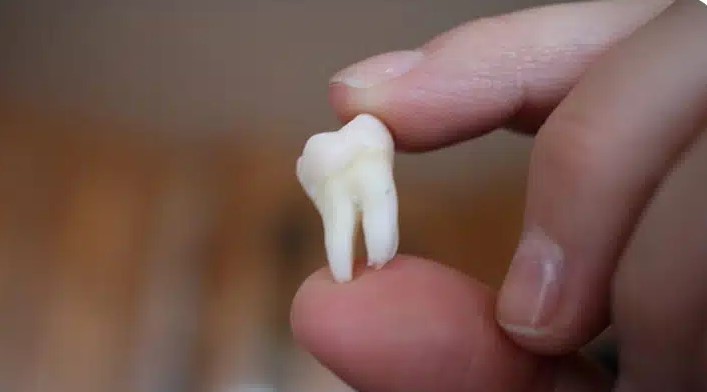

Dangerous Complications of Ignoring Wisdom Tooth Surgery
Ignoring a wisdom tooth that requires surgery is like keeping a time bomb in the jaw. Many people endure the pain because they are afraid of surgery, but the complications caused by delay are far more complex than a simple surgical procedure.
Below are the dangerous complications of ignoring this surgery:
An impacted or crooked wisdom tooth exerts constant pressure on the roots of the second molars. This pressure not only causes the resorption of the healthy tooth root, but also, by creating an area that is inaccessible for brushing, leads to decay of the main molar teeth and forces you to undergo root canal treatment or even extraction of the healthy neighboring teeth.
2.Formation of jaw cysts and tumors
An impacted wisdom tooth is located inside a sac of soft tissue within the jawbone. Ignoring it can cause fluid to accumulate in this sac and turn it into bone cysts. Over time, these cysts hollow out the jawbone and can even cause irreversible damage to the main facial nerves.
3.Severe disruption of tooth alignment (Crowding)
The pressure of the wisdom tooth trying to erupt acts like a domino effect. This pressure gradually transfers to all the teeth and causes the front teeth to become crooked and overlap. In many cases, after years of orthodontic treatment, patients experience tooth misalignment again solely because the wisdom tooth was not surgically removed.
4.Severe infection of the gums and soft tissues (Pericoronitis)
A wisdom tooth that is partially trapped under the gum is the best place for bacteria to accumulate. This causes recurrent infections, severe gum swelling, bad breath, and in advanced cases, limitation in opening the mouth (trismus), which can also spread to the throat and neck spaces.
“Many of these complications initially have no pain. When pain begins, it means the damage has reached serious stages. Timely surgery is a preventive measure to save the entire structure of your jaw and teeth.”
Stages of Wisdom Tooth Surgery at Dr. Hesam Nazari’s Clinic
We have turned the surgical process into a scientific, precise, and calm experience. The stages are as follows:
1.Specialized examination and radiographic evaluation
In the first session, the condition of your wisdom tooth is carefully examined using radiographic images (OPG or CBCT). At this stage, the distance between the roots and the jaw nerves and the angle of tooth impaction are determined so that the most accurate surgical plan can be designed.
2.Deep and painless anesthesia
The biggest concern of patients is the fear of pain. Using modern techniques of local anesthesia and medications, we completely numb the desired area. You remain awake during the surgery but will not feel any pain.
3.Safe release and removal of the tooth
Depending on the type of impaction, Dr. Hesam Nazari gently moves the gum aside and, if necessary, divides the tooth into smaller pieces (Sectioning). This allows the tooth to be removed with the least pressure on the jawbone and minimal damage to surrounding tissues.
4.Cleaning and suturing
After the tooth is removed, the surgical site is thoroughly washed and disinfected and tissue residues are cleaned. Then, for faster healing and to prevent bleeding, the surgical site is closed with fine sutures (usually absorbable).
Immediate care and discharge
A piece of sterile gauze is placed on the surgical site and written and verbal instructions for the first 24 hours of care are provided to you. Our team will stay with you until your condition is stable.
Golden Tips Before Surgery (Smart Preparation)
Meal before the procedure: Unlike a blood test, for surgery with local anesthesia you should not be hungry. Have a light and nutritious meal so that you do not experience a drop in blood sugar.
Stress control with Vitamin C: Taking Vitamin C a few days before surgery greatly helps strengthen the immune system and speeds up tissue repair.
Comfortable clothing: On the day of surgery, wear loose and comfortable clothes (preferably with an open collar) so that you feel completely comfortable during the surgery and when leaving the clinic
Key Tips for the Recovery Period (Secrets of Fast Healing)
The 48-hour golden rule: Wisdom tooth swelling usually reaches its peak on the second day (48 hours later) and then subsides; so if you have more swelling on the second day, do not worry.
Ice cream, the best medicine: Ice cream not only cools the area, but also keeps your blood sugar up. Make sure the ice cream is without pieces of fruit or chocolate so that they do not get stuck in the wound.
Rinsing with diluted salt water: From the second day, disinfect your mouth with lukewarm and very diluted salt water (half a teaspoon in one glass of water). Make sure not to swirl the water in your mouth; just tilt your head to the sides and let the water come out of your mouth.
Sneezing with an open mouth: If you need to sneeze, be sure to sneeze with your mouth open so that sudden pressure does not cause the stitches to open or damage the sinuses (in upper wisdom teeth).
Vital Tips to Prevent Complications
Preventing dry socket (Dry Socket): This is the most painful complication after tooth extraction. The main cause is the detachment of the blood clot. To prevent it, in addition to avoiding smoking and using straws, stay away from heavy exercises that significantly increase heart rate for up to 3 days.
Lingering numbness: If after 6 to 10 hours you still feel complete numbness in the lip or tongue area, do not worry; however, inform the clinic so it can be followed up.
Smart brushing: Brush your teeth from the first night, but under no circumstances go near the surgical area. Keeping the rest of your mouth clean helps reduce the bacterial load and prevent wound infection.


💬 Free Initial Consultation & Examination 🩺
✨ For a free specialized consultation and to book an appointment with Dr. Hesam Nazari, please contact us through the following methods:
📱 Mobile Consultation: +989031408680
☎️ Clinic Phone: +987153341322
📍 Address: Iran, Fars, Fasa, Shahzadeh Ghasem Square, opposite Asieh High School, Dr. Hesam Nazari Clinic
🕐 Working Hours: Saturday to Wednesday (8:00 AM – 22:00)
Thursday, Friday & Public Holidays: Closed
📩 Please fill out the form below for online booking, and we will contact you as soon as possible.

Why Wisdom Tooth Surgery with Dr. Hesam Nazari?
Many people associate wisdom tooth surgery with pain and a long recovery period. However, in our clinic, the priority is a calm experience and a precise outcome:
1.Minimally Invasive Surgery
Dr. Hesam Nazari uses modern techniques to remove wisdom teeth with the least possible damage to surrounding tissues and jawbone. This surgical precision helps minimize swelling and pain after the procedure.
2.Complete Pain and Anxiety Management
We use advanced anesthesia protocols. During the surgical process, you will not feel any pain. In addition, the calm environment of the clinic and the doctor’s step‑by‑step explanations help eliminate surgical stress and anxiety for patients.
3.Precision in Protecting Jaw Nerves
Impacted wisdom teeth are often located close to sensitive jaw nerves. By carefully examining radiographic images and relying on extensive experience, Dr. Hesam Nazari performs the surgery in a way that prevents even the slightest pressure on surrounding nerves.
4.Advanced and Sterile Equipment
Following strict hygiene protocols during surgery makes the difference between a fast recovery and painful infections. In our clinic, all instruments are prepared according to the strictest sterilization standards to ensure your safety.
5.Post‑Surgery Support and Follow‑Up
Our work does not end when the surgery is finished. You will receive personalized recovery instructions, and the clinic team will remain available to answer your questions and monitor your condition until full recovery and suture removal
Conclusion: Protect Your Smile
Wisdom tooth surgery should not be a major concern; rather, it should be considered a smart decision to prevent chronic pain and costly problems in the future. At Dr. Hesam Nazari’s clinic, by combining surgical precision with compassionate care, we stand by your side to help you go through this process in the shortest possible time and with the greatest level of comfort.
Remember: if a wisdom tooth is not managed in time, it can threaten the health of your other teeth. Take the first step today with peace of mind to protect the health and alignment of your smile.
“Wisdom tooth surgery with Dr. Hesam Nazari: a combination of surgical expertise and compassionate care. We help you regain the full health of your jaw and teeth with the shortest possible recovery period. Your smile is valuable—take care of it.”
All dental services — from A to Z — are provided in this clinic. Below, you can see a selection of the main treatments.
Dental Bonding
(Dental Bonding)
Dental Bridge
(Dental Bridge)
Dental Onlay
(Dental Coating)
Dental Crown
(Protective Coating)
Impacted Wisdom Tooth Surgery
(Impacted Wisdom Tooth Surgery)
Wisdom Tooth Surgery
(Wisdom Tooth Surgery)
Oral and Maxillofacial Surgery
(Oral and Maxillofacial Surgery)
Root Canal Treatment (Endodontics)
(Root Canal Treatment)
You can see a selection of our clinic services here; for the full list, please visit the Services page.

“Let’s go to Instagram!”
“Join Dr. Hesam Nazari’s family on Instagram and follow us.”